Tree pruning is an essential skill for anyone who cares for trees. Whether you’re a homeowner looking to beautify your garden or a beginner gardener, understanding how to prune trees properly can lead to healthier growth and more vibrant foliage. This guide will provide you with essential tree pruning tips to help you get started on the right foot.
Understanding the Basics of Tree Pruning
Before diving into specific techniques, it’s important to understand what tree pruning is and why it matters. Pruning involves removing certain parts of a tree, such as branches, to promote healthy growth, improve structure, and enhance appearance. It may seem daunting at first, but with the right knowledge and approach, anyone can become proficient in tree care.
Pruning encourages new growth by allowing more light and air to reach the inner parts of the tree. It also helps remove dead or diseased branches, which can prevent the spread of pests and diseases. Moreover, proper pruning can improve the tree’s overall shape, making it more aesthetically pleasing.
When you start learning about tree pruning tips, it’s crucial to know that each tree species may have specific needs. For instance, fruit trees often require different pruning techniques compared to ornamental trees. Taking the time to understand your tree species will lead to better results.
Gather the Right Tools
Having the right tools is a fundamental part of effective tree pruning. Here are some essential tools you should consider:
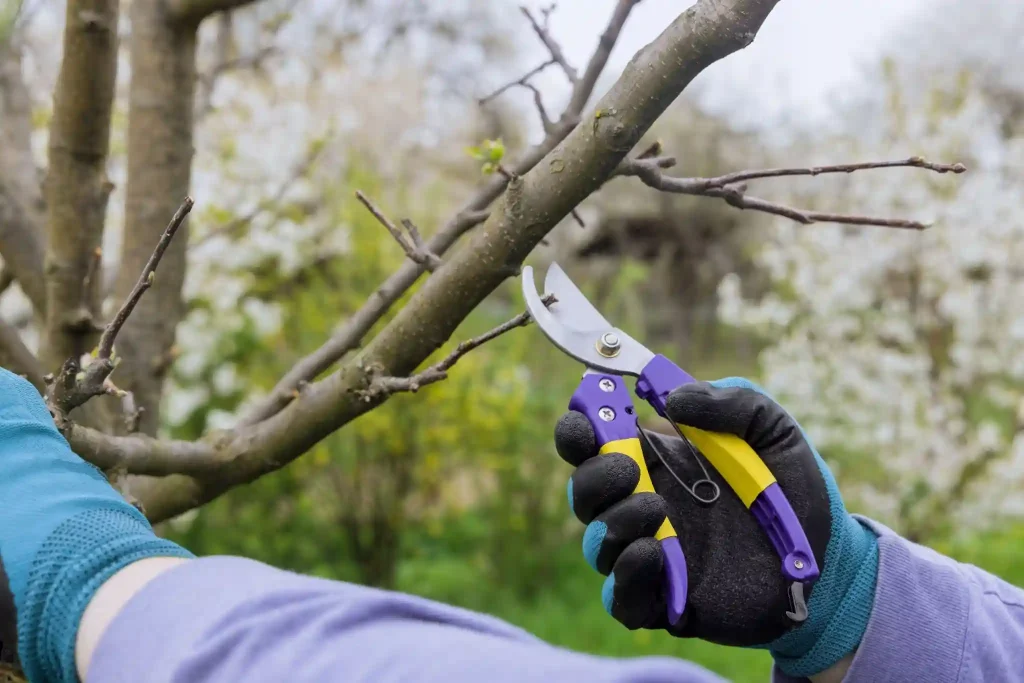
Pruning Shears: These are ideal for small branches and delicate work. Ensure they are sharp and clean for the best results.
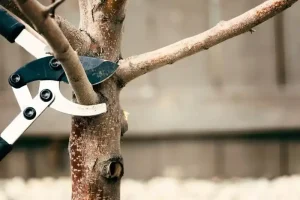
Loppers: For larger branches that require more leverage, loppers are an excellent choice. They have long handles that provide extra cutting power.
Handsaw: This tool is necessary for thicker branches. A good handsaw will make clean cuts and minimize damage to the tree.
Safety Gear: Don’t forget to wear gloves and safety glasses. Protecting yourself is just as important as caring for the tree.
Before you begin pruning, make sure your tools are well-maintained. Sharp tools make cleaner cuts, which helps the tree heal faster. It’s a good practice to sanitize your tools before and after use to prevent the spread of diseases.
Timing is Key
One of the most important tree pruning tips is to understand the timing of your cuts. The best time to prune trees typically depends on the species and the climate in your area.
Generally, late winter or early spring is ideal for most trees. During this dormant period, trees are not actively growing. Pruning during dormancy minimizes stress and promotes quicker healing. This timing also allows you to see the tree’s structure more clearly, making it easier to decide which branches to remove.
For flowering trees, timing can be even more critical. Trees that bloom in spring should be pruned right after flowering. This ensures you don’t cut off the buds that will produce flowers in the next season. Conversely, trees that flower on new growth, such as certain fruit trees, can be pruned in late winter before new buds emerge.
Avoid Pruning in Active Growth
It’s essential to avoid pruning during the active growth phase, typically in late spring and early summer. Pruning at this time can stress the tree and inhibit its growth. Fresh cuts made during this period can also attract pests and diseases, which can harm the tree’s health.
Understanding the growth cycle of your specific trees will help you determine the best time to prune. Researching your tree species will provide you with valuable insights into their unique needs.
Pruning Techniques for Beginners
Now that you know the tools and timing, let’s discuss some effective pruning techniques. These tree pruning tips will help you make the right cuts for healthier trees.
Make Clean Cuts
When pruning, always aim to make clean cuts. This means cutting at a slight angle to allow water to run off and prevent rot. Don’t leave stubs; instead, cut just outside the branch collar, which is the swollen area where the branch meets the trunk. This collar contains important cells that help the tree heal.
Remove Dead or Damaged Branches
Start by removing any dead, damaged, or diseased branches. These can pose a risk to the overall health of the tree. Dead branches can attract pests, while damaged branches may fall and cause injury or damage to property.
When removing these branches, make sure to cut them back to the nearest healthy branch or to the trunk. This helps minimize the area affected and promotes healing.
Thinning Out the Canopy
Another crucial technique is thinning out the canopy. This involves removing some branches to improve air circulation and light penetration. By allowing sunlight and air to reach the inner parts of the tree, you encourage healthy growth.
When thinning, focus on branches that cross or rub against each other. These can create wounds that invite pests and diseases. Also, remove any branches that grow inward toward the trunk, as they can lead to overcrowding.
Shaping the Tree
Shaping is essential for maintaining the aesthetic appeal of the tree. When shaping, step back and assess the overall form of the tree. Aim for a balanced shape that allows for symmetrical growth.
It’s essential to avoid topping, which is the practice of cutting off the top of a tree. Topping can lead to weak growth and structural problems. Instead, focus on maintaining the natural shape of the tree by selectively pruning branches.
Use the Three-Cut Method
For larger branches, use the three-cut method to prevent tearing the bark. Here’s how it works:
Under Cut: Make a small cut underneath the branch about 12 inches from the trunk. This cut prevents the bark from tearing.
Top Cut: Make a second cut on top of the branch, further out from the undercut. This cut will allow the branch to fall without damaging the tree.
Final Cut: Finally, remove the remaining stub by cutting just outside the branch collar.
This method minimizes damage and helps the tree heal quickly.
Post-Pruning Care
After you finish pruning, it’s vital to care for your trees to ensure they recover well. Here are some tree pruning tips for post-pruning care:
Watering: Make sure to water the trees adequately after pruning. This helps them recover from the stress of the cuts.
Mulching: Applying mulch around the base of the tree can retain moisture and suppress weeds. However, keep mulch away from the trunk to prevent rot.
Monitoring: Keep an eye on your trees after pruning. Look for signs of stress or disease. Prompt action can prevent more significant issues down the road.
Common Mistakes to Avoid
As a beginner, it’s easy to make mistakes when pruning trees. Here are some common pitfalls to avoid:
Pruning Too Much: Avoid removing too many branches at once. This can shock the tree and hinder its growth. It’s better to prune gradually over time.
Ignoring the Tree’s Structure: Always consider the natural shape of the tree. Pruning without regard for its structure can lead to imbalanced growth.
Using Dull Tools: Dull tools can cause ragged cuts that invite disease. Always use sharp, clean tools for the best results.
Neglecting Safety: Safety should always come first. Wear appropriate safety gear and be cautious when using ladders or working with large branches.
By keeping these tips in mind, you can avoid common mistakes and ensure a successful pruning experience.
Conclusion
Pruning trees may seem intimidating at first, especially for beginners. However, with the right knowledge and techniques, you can learn to prune trees effectively. Remember to gather the right tools, understand the best timing, and apply proper techniques. These tree pruning tips will help you maintain healthy and beautiful trees in your garden. By taking the time to care for your trees, you’re investing in the health of your landscape and the environment.