
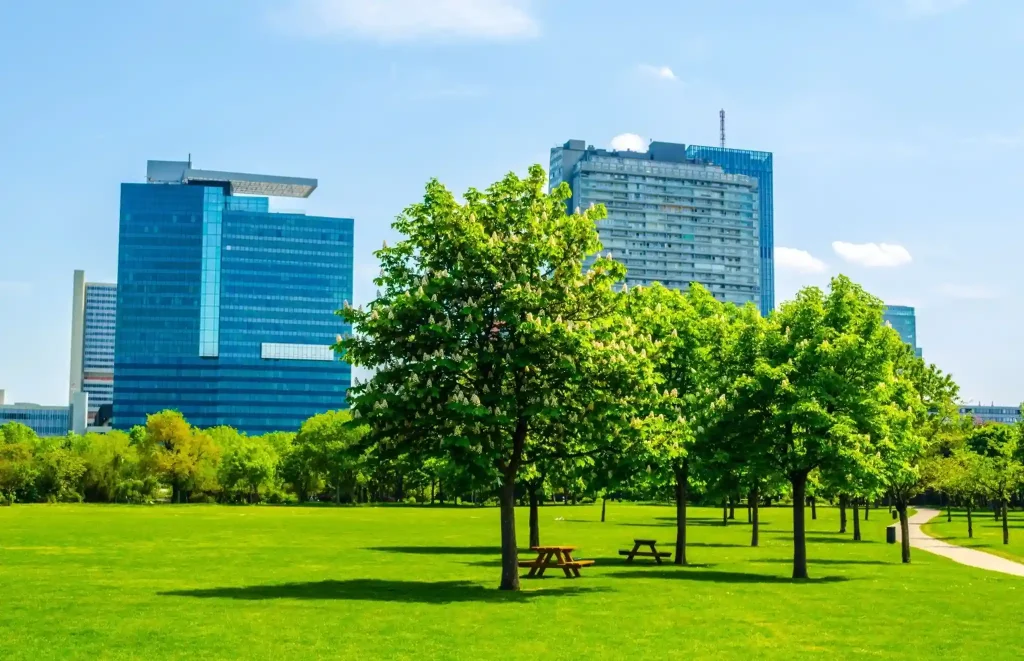
Urban tree management involves the planning, planting, and maintenance of trees in urban areas. This practice is vital for enhancing city life and addressing environmental issues. With growing urbanization, the need for effective urban tree management has become increasingly evident. Trees provide numerous benefits, from improving air quality to enhancing the aesthetic appeal of neighborhoods.
As cities evolve, understanding the importance of urban tree management is crucial. It not only contributes to environmental sustainability but also promotes healthier, more vibrant communities. In this blog, we will explore the benefits, challenges, emerging trends, and strategic positioning related to urban tree management.
The Benefits of Urban Tree Management
Environmental Benefits
Urban tree management plays a significant role in improving environmental quality. Trees act as natural air filters, absorbing pollutants and releasing oxygen. They help mitigate the urban heat island effect by providing shade and cooling the air. This is particularly important in densely populated areas where concrete and asphalt can raise temperatures.
Furthermore, urban trees support biodiversity by providing habitats for various species. They can create green corridors that connect fragmented habitats, allowing wildlife to thrive in urban settings. Effective urban tree management promotes a healthier ecosystem, benefiting both people and wildlife.
Economic Advantages
The economic benefits of urban tree management are substantial. Property values tend to increase in areas with well-maintained trees and green spaces. Homebuyers often prefer neighborhoods with lush landscapes, leading to higher real estate prices. Additionally, businesses benefit from the aesthetic appeal that trees provide, attracting more customers and tourists.
Moreover, urban tree management can lead to significant cost savings. Trees reduce energy costs by shading buildings and lowering the need for air conditioning. They also help manage stormwater runoff, reducing the need for expensive infrastructure to handle flooding. Overall, investing in tree management can yield long-term economic advantages for cities.
Social and Health Impacts
Urban tree management positively impacts community health and well-being. Green spaces promote physical activity, encouraging residents to spend time outdoors. Studies have shown that access to nature can reduce stress, improve mood, and enhance overall mental health. Trees also foster social interaction, providing spaces for community gatherings and events.
Additionally, urban trees support wildlife, contributing to a richer urban ecosystem. Birds, insects, and other species thrive in areas with healthy tree cover. This biodiversity is essential for maintaining ecological balance and enhancing the quality of life for residents.
Challenges in Urban Tree Management
Space Constraints
One of the primary challenges in urban tree management is space constraints. As cities expand, available land for planting trees becomes limited. Urban planners must balance the needs for infrastructure, housing, and green spaces. This can lead to difficult decisions about where to plant trees and how to integrate them into existing landscapes.
Furthermore, many urban areas have underground utilities that complicate tree planting. Careful planning and innovative solutions are required to ensure that trees can thrive without interfering with essential services.
Maintenance and Care
Once trees are planted, ongoing maintenance is critical for their health. Urban trees require regular care, including pruning, watering, and pest management. However, budget constraints and limited resources often hinder effective maintenance.
Cities must develop effective strategies for tree care that prioritize the health of urban forests. This includes training staff, engaging volunteers, and utilizing technology for monitoring tree health. By investing in maintenance, cities can ensure that their urban trees flourish.
Climate Change Adaptation
Climate change poses significant challenges for urban tree management. Rising temperatures, changing precipitation patterns, and increased frequency of extreme weather events can impact tree species and their growth. Urban planners need to consider these factors when selecting tree species for planting.
Choosing resilient species that can withstand climate change is essential. Cities must also implement strategies for adapting urban forests to changing conditions. This proactive approach will help ensure the longevity and health of urban trees.
Emerging Trends in Urban Tree Management
Technological Innovations
Technology is transforming urban tree management. Tools such as Geographic Information Systems (GIS) allow cities to map and analyze tree populations effectively. This technology helps planners identify areas for new tree plantings and assess the health of existing trees.
Additionally, tree monitoring systems can track the health and growth of urban trees in real time. By using sensors and data analytics, cities can make informed decisions about maintenance and care. These technological innovations enhance the effectiveness of urban tree management.
Community Involvement
Engaging the community in urban tree management is becoming increasingly important. Cities are recognizing the value of involving residents in tree planting and care. Community involvement fosters a sense of ownership and pride in local green spaces.
Programs that educate residents about the benefits of trees can lead to greater participation in urban forestry initiatives. By encouraging volunteers to help with planting and maintenance, cities can strengthen community bonds and enhance their urban forests.
Policy and Strategic Frameworks
Urban forestry policies play a crucial role in supporting effective tree management. Cities are developing strategic frameworks that prioritize tree planting, maintenance, and community involvement. These policies ensure that urban tree management aligns with broader sustainability goals.
Implementing these policies requires collaboration among various stakeholders, including government agencies, non-profit organizations, and community groups. By working together, cities can create comprehensive plans that enhance urban tree management and promote sustainability.
Strategic Positioning for Successful Urban Tree Management
Integrating Trees into Urban Planning
Integrating trees into urban planning is essential for successful urban tree management. Cities should consider the role of trees in overall urban design. This includes creating green corridors, parks, and natural areas that connect different parts of the city.
By incorporating trees into infrastructure projects, cities can enhance the aesthetic appeal of urban environments. Thoughtful planning can lead to vibrant, green spaces that improve the quality of life for residents.
Partnerships and Collaboration
Collaboration is key to successful urban tree management. Cities can benefit from partnerships with local organizations, non-profits, and community groups. These collaborations can provide additional resources, expertise, and volunteers for tree planting and maintenance efforts.
Successful examples of partnerships in urban tree management can inspire other cities to adopt similar approaches. By fostering collaboration, cities can enhance their urban forestry initiatives and create a more sustainable urban environment.
Measuring Success and Impact
Measuring the success of urban tree management is crucial for continuous improvement. Cities should establish metrics to assess the effectiveness of their tree management programs. This includes tracking tree health, community engagement, and environmental benefits.
Collecting data and conducting research will help cities refine their strategies and make informed decisions. By understanding the impact of urban tree management, cities can better advocate for resources and support.
Conclusion
Urban tree management is a vital component of modern cities. It offers numerous environmental, economic, and social benefits that enhance urban living. As cities continue to grow, effective tree management will play an essential role in promoting sustainability and improving the quality of life. By addressing the challenges and embracing emerging trends, cities can create vibrant urban forests that benefit everyone. Through strategic planning, community involvement, and collaboration, urban tree management can pave the way for healthier, more resilient cities. Cities should prioritize urban tree management as a key strategy for creating sustainable and livable environments. By doing so, they can ensure a greener future for generations to come.