
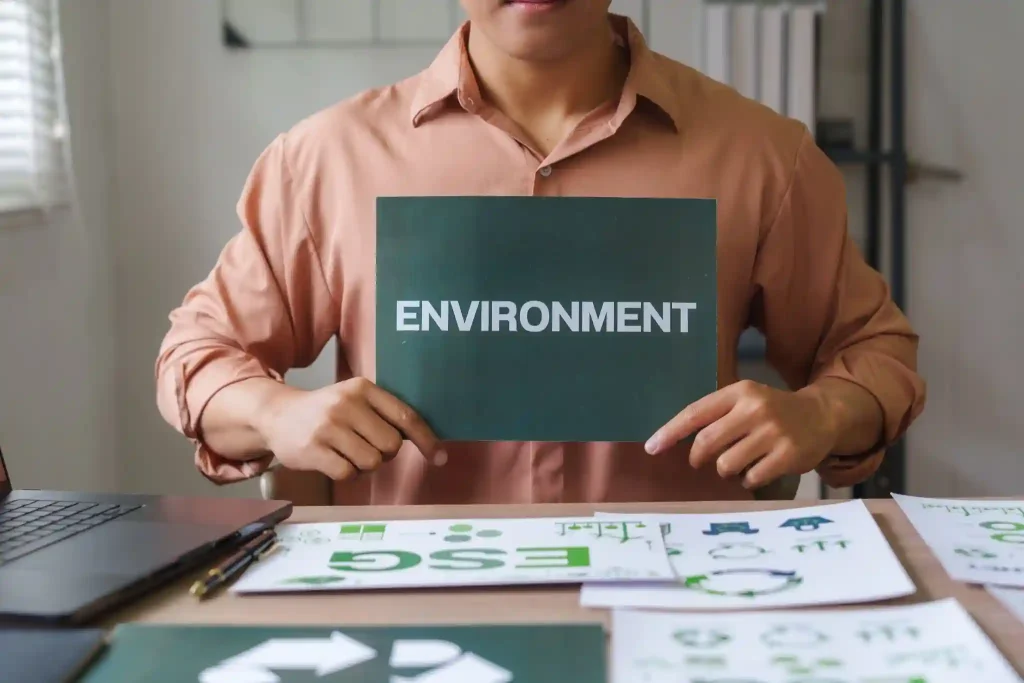
Environmental consulting services play a vital role in helping businesses navigate the complex world of regulations. As concerns for sustainability and environmental protection grow, companies must ensure they comply with numerous laws. This compliance is not just about avoiding fines; it reflects a commitment to responsible business practices. Environmental consulting provides the expertise needed to meet these challenges head-on.
Understanding Environmental Consulting
Definition and Scope
Environmental consulting involves a range of services aimed at helping organizations understand and comply with environmental regulations. These consultants work with businesses to assess their environmental impact and develop strategies to minimize it. The scope of environmental consulting can vary widely, covering everything from waste management to air quality assessments.
Types of Services Offered
Environmental consultants offer various services tailored to meet the specific needs of each business. These services often include environmental assessments, compliance audits, and sustainability planning. They may also provide training for employees to ensure everyone understands regulations and best practices. By utilizing these services, businesses can navigate the complicated landscape of environmental law more effectively.
The Importance of Regulatory Compliance
Overview of Environmental Regulations
Businesses today face a multitude of environmental regulations at the local, state, and federal levels. These regulations are designed to protect natural resources and public health. Understanding these laws is essential for any company operating in industries that impact the environment. Failure to comply with regulations can lead to significant consequences, including legal penalties and reputational damage.
The Consequences of Non-Compliance
The risks of not adhering to environmental regulations can be severe. Companies that fail to comply may face hefty fines, legal action, and even shutdowns. In addition, non-compliance can harm a business’s reputation, leading to a loss of customer trust. Today’s consumers are increasingly environmentally conscious. They prefer to support businesses that demonstrate a commitment to sustainability and responsible practices.
How Environmental Consultants Facilitate Compliance
Conducting Environmental Assessments
One of the primary roles of environmental consultants is conducting environmental assessments. These assessments help businesses identify potential areas of non-compliance. Consultants analyze current practices and determine whether they meet regulatory standards. This step is crucial for understanding what adjustments need to be made.
Developing Compliance Strategies
Once assessments are complete, environmental consultants work with businesses to create tailored compliance strategies. These strategies may involve changes to operational practices, waste management, and resource usage. By developing a clear plan, companies can ensure they meet regulatory requirements while also improving their environmental performance.
Training and Education
Training is another essential component of environmental consulting. Consultants provide education to employees about relevant regulations and best practices. This training helps create a culture of compliance within the organization. When employees understand the importance of environmental regulations, they are more likely to follow procedures that promote sustainability.
Case Studies of Successful Compliance
Industries Benefiting from Environmental Consulting
Various industries benefit from environmental consulting services. Manufacturing, construction, and agriculture are just a few sectors where compliance is critical. For example, manufacturers often face stringent regulations regarding emissions and waste disposal. Environmental consultants help these businesses navigate complex laws while improving efficiency and reducing costs.
Real-World Success Stories
There are numerous success stories of companies that have effectively utilized environmental consulting services. For instance, a manufacturing company faced significant fines due to non-compliance with air quality regulations. After engaging an environmental consultant, the business received a thorough assessment and developed a compliance plan. This proactive approach not only helped the company avoid penalties but also improved its operational efficiency.
Another example involves a construction firm that needed guidance on managing stormwater runoff during projects. By working with environmental consultants, the company implemented best practices that met regulatory requirements while minimizing environmental impact. These real-world examples illustrate the tangible benefits of environmental consulting.
Future Trends in Environmental Consulting
Evolving Regulations
As environmental concerns grow, regulations continue to evolve. Businesses must stay informed about these changes to remain compliant. Emerging regulations related to climate change and sustainability are likely to reshape how industries operate. Environmental consulting services will be essential in helping companies adapt to these new requirements.
The Role of Technology
Technology is changing the landscape of environmental consulting. Advanced software and tools allow for more accurate assessments and streamlined compliance processes. Data analytics can help businesses understand their environmental impact better and make informed decisions. As technology continues to advance, environmental consultants will increasingly incorporate these innovations into their services.
Conclusion
Environmental consulting services are vital for businesses seeking to comply with regulations. By understanding the importance of these services, companies can make informed decisions that promote sustainability and responsible practices. As regulations continue to evolve, the expertise of environmental consultants will become even more critical. Investing in these services not only helps businesses avoid penalties but also demonstrates a commitment to protecting the environment.
In today’s world, where environmental responsibility is paramount, businesses must act wisely. Engaging with environmental consulting can pave the way for sustainable growth and compliance. Embracing these services is not just a legal obligation; it is a step towards a more sustainable future for everyone.
FAQs
1. What is environmental consulting?
Environmental consulting provides businesses with expertise to comply with environmental regulations. Consultants assess environmental impacts and develop strategies to meet legal requirements, ensuring responsible business practices.
2. How do environmental consultants help with compliance?
Environmental consultants conduct assessments, develop compliance strategies, and provide employee training. Their expertise helps businesses navigate complex regulations and avoid penalties.
3. What types of services do environmental consultants offer?
Consultants offer various services, including environmental assessments, compliance audits, and sustainability planning. They tailor their services to meet the specific needs of each business.
4. Why is regulatory compliance important for businesses?
Regulatory compliance protects public health and the environment. Non-compliance can lead to legal penalties, fines, and reputational damage, affecting a business’s success.
5. How can technology impact environmental consulting?
Technology enhances environmental consulting by providing tools for accurate assessments and streamlined compliance processes. Data analytics allows businesses to understand their environmental impact better.