![]() Trees add beauty, shade, value, and environmental benefits to homes and landscapes. A healthy tree can transform an outdoor space, improve air quality, lower temperatures, and even increase property value. However, maintaining trees properly requires more than occasional watering or fertilizing. One of the most important aspects of tree care is understanding how to prune a tree correctly without causing unnecessary harm.
Trees add beauty, shade, value, and environmental benefits to homes and landscapes. A healthy tree can transform an outdoor space, improve air quality, lower temperatures, and even increase property value. However, maintaining trees properly requires more than occasional watering or fertilizing. One of the most important aspects of tree care is understanding how to prune a tree correctly without causing unnecessary harm.
Many homeowners mistakenly assume pruning simply means cutting branches randomly to shape a tree. In reality, improper pruning can weaken tree structure, spread disease, reduce growth, and even shorten a tree’s lifespan. Poor cutting techniques may create wounds that leave trees vulnerable to insects, fungi, and weather damage.
Professional arborists consistently emphasize that pruning is both a science and an art. When done correctly, pruning improves tree health, encourages strong growth, enhances appearance, and increases safety by removing hazardous branches. Learning how to prune a tree properly can therefore make a major difference in long-term landscape health.
Modern tree care practices have evolved significantly over the years. Experts now understand far more about tree biology, wound healing, growth patterns, and disease prevention than previous generations. Research from arboriculture organizations has shown that careful, strategic pruning improves both structural integrity and environmental resilience.
Whether maintaining fruit trees, ornamental species, shade trees, or young saplings, homeowners benefit greatly from understanding safe pruning methods. This guide explains how to prune a tree without damaging it, explores the best timing and techniques, highlights common mistakes, and provides practical advice for maintaining healthy trees year-round.
Why Proper Tree Pruning Matters
Tree pruning serves several important purposes beyond simple appearance. Healthy pruning encourages stronger branch structure, improves airflow, supports sunlight penetration, and removes weak or diseased limbs before they become dangerous.
Understanding how to prune a tree correctly also helps prevent overcrowded growth. Trees with dense canopies often struggle with moisture buildup and limited airflow, increasing the risk of fungal diseases and pest infestations.
Safety is another major reason for pruning. Dead or damaged branches can fall during storms, creating serious hazards for homes, vehicles, power lines, and pedestrians. Strategic pruning reduces these risks while helping trees remain structurally balanced.
Professional arborists also explain that proper pruning stimulates healthy growth by directing energy toward stronger branches and productive development.
Understanding Tree Biology Before Pruning
Before learning how to prune a tree, it is important to understand how trees respond to cuts. Trees do not heal in the same way humans do. Instead, they compartmentalize wounds by creating protective barriers around damaged areas.
Every pruning cut affects the tree’s ability to store energy, transport nutrients, and defend itself against disease. This is why careless cuts can create long-term problems.
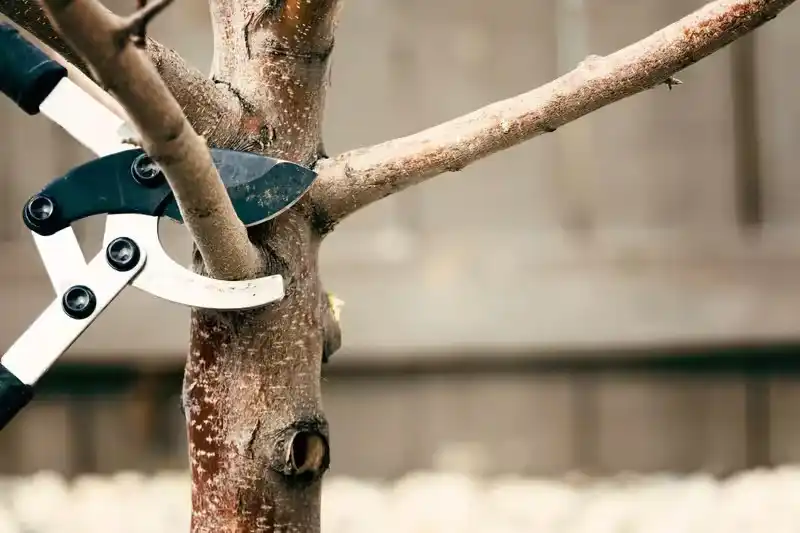
The branch collar, which is the swollen area where a branch joins the trunk, plays a critical role in natural wound protection. Proper pruning techniques preserve this collar because cutting too close damages the tree’s defense system.
Modern arboriculture research strongly discourages practices like topping trees or leaving large stubs because these methods interfere with healthy growth and recovery.
The Best Time to Prune Trees
Timing significantly affects pruning success. Although some light maintenance can occur year-round, most experts recommend pruning during dormant seasons when trees experience less stress.
Late winter and early spring are often ideal because trees have not yet entered active growth. During dormancy, pruning wounds typically recover more efficiently, and branch structures are easier to evaluate without dense foliage.
Flowering trees may require different timing depending on bloom cycles. Spring-flowering trees are often pruned after blooming, while summer-flowering species can usually be pruned during winter dormancy.
Understanding seasonal timing is essential when learning how to prune a tree safely and effectively.
Essential Tools for Safe Tree Pruning
Using the right tools makes pruning safer, cleaner, and healthier for trees. Sharp, high-quality equipment creates smooth cuts that heal more efficiently than rough or crushed wounds.
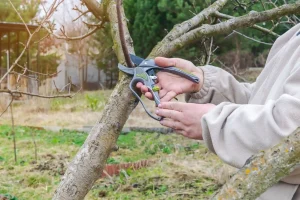
Hand pruners work best for small branches, while loppers handle medium-sized limbs. Pruning saws are designed for thicker branches, and pole pruners help reach higher areas safely.
Tool cleanliness is equally important. Dirty equipment can spread diseases between trees. Professional arborists recommend disinfecting blades regularly, especially when removing diseased branches. Protective gear such as gloves, safety glasses, and helmets also improves personal safety during pruning projects.
How to Identify Branches That Need Removal
One of the first steps in understanding how to prune a tree involves identifying which branches should be removed.
Dead branches are often the highest priority because they create safety hazards and attract pests. Diseased branches showing discoloration, fungus, or decay should also be removed carefully to prevent spread.
Crossing branches may rub together and create wounds that invite disease. Weakly attached limbs or branches growing inward toward the center of the canopy can also interfere with healthy growth patterns. Pruning should always focus on improving tree structure rather than removing branches excessively for cosmetic reasons.
The Three-Cut Method for Large Branches
Removing large branches incorrectly can cause bark tearing and severe trunk damage. Arborists commonly use the three-cut method to prevent this problem.
The first cut is made underneath the branch several inches from the trunk. This undercut prevents bark from tearing downward during removal.
The second cut is made from the top slightly farther outward until the branch falls away safely. The final cut removes the remaining stub just outside the branch collar without damaging the collar itself. Learning this technique is one of the most important aspects of understanding how to prune a tree properly.
Avoiding Over-Pruning
One of the most common tree care mistakes is removing too much foliage at once. Trees rely on leaves to produce energy through photosynthesis, and excessive pruning can weaken overall health significantly. Experts generally recommend removing no more than twenty-five percent of a tree’s canopy during a single season.
Over-pruning often leads to stress growth, weak branch development, and increased vulnerability to pests and diseases. It may also reduce flowering or fruit production. Balanced pruning focuses on gradual improvement rather than aggressive cutting.
Why Tree Topping Is Harmful
Tree topping involves cutting major branches or trunks indiscriminately to reduce height quickly. Although some homeowners believe topping controls growth effectively, arborists strongly discourage the practice.
Topping creates large wounds that struggle to heal properly. It also stimulates weak, unstable regrowth that becomes more dangerous over time. Additionally, topped trees often experience severe stress, reduced lifespan, and increased susceptibility to disease. Understanding how to prune a tree correctly means avoiding outdated and harmful practices like topping entirely.
Pruning Young Trees for Strong Structure
Young trees benefit greatly from early structural pruning. Proper guidance during early growth stages helps trees develop balanced branch systems and strong central leaders. Correcting weak branch angles and overcrowding early reduces future maintenance needs significantly. Young tree pruning should remain minimal and strategic. Removing too many branches too early can slow development unnecessarily. Professional arborists often explain that preventive pruning during youth creates healthier, safer mature trees later in life.
Pruning Mature Trees Carefully
Mature trees require a more cautious approach because larger cuts recover more slowly.
Older trees often benefit from selective pruning focused on deadwood removal, structural balance, and hazard reduction. Large mature trees should sometimes be evaluated by certified arborists before major pruning work begins. Understanding how to prune a tree becomes especially important with aging trees because improper cuts can destabilize large limbs and compromise overall health. Careful pruning helps preserve mature trees for decades while improving safety and appearance.
Fruit Tree Pruning and Productivity
Fruit trees require specialized pruning strategies to maximize harvest quality and maintain manageable structure.
Pruning improves sunlight penetration, airflow, and fruit production by reducing overcrowded growth. Open canopy structures also help prevent fungal diseases common in fruit orchards. Apple, pear, peach, and citrus trees all have unique growth patterns that influence pruning techniques. Gardeners learning how to prune a tree for fruit production should study species-specific timing and branch management practices carefully.
Common Tree Pruning Mistakes
Many homeowners unintentionally damage trees through improper techniques. Flush cuts that remove the branch collar interfere with natural healing and increase disease risk. Leaving long stubs creates entry points for decay and insects. Using dull tools can crush bark and create rough wounds that recover poorly.
Another common mistake involves pruning during improper seasons, particularly during periods of active disease transmission. Learning how to prune a tree properly requires patience, observation, and understanding rather than aggressive cutting.
The Role of Professional Arborists
While homeowners can handle minor maintenance pruning, larger or hazardous trees often require professional expertise. Certified arborists understand tree biology, disease management, structural assessment, and safety procedures. They also possess specialized equipment for working near power lines or at dangerous heights. Professional evaluations become especially important when trees show signs of decay, storm damage, or structural instability. Hiring qualified professionals helps protect both property and tree health during major pruning projects.
Environmental Benefits of Healthy Trees
Healthy trees provide significant environmental advantages, making proper maintenance increasingly important in modern landscapes. Trees absorb carbon dioxide, reduce urban heat, support wildlife habitats, improve air quality, and reduce soil erosion. Well-maintained trees also conserve energy by providing natural shade around buildings. Understanding how to prune a tree responsibly contributes to broader environmental sustainability by preserving long-term tree health. As climate concerns continue growing globally, proper tree care remains an essential part of sustainable landscaping.
Real-Life Example of Improper Pruning
Consider a homeowner attempting to reduce a large maple tree’s size quickly by removing major upper branches without understanding proper techniques.
Initially, the tree appeared smaller and more manageable. However, within two years, weak regrowth emerged rapidly from large wounds. Several branches later broke during storms, and decay began spreading through improperly cut sections. A certified arborist eventually recommended expensive corrective care to stabilize the tree. This example highlights why learning how to prune a tree correctly is critical for long-term safety and health.
Modern Trends in Tree Care
Tree care practices continue evolving through scientific research and environmental awareness. Modern arboriculture increasingly emphasizes preservation, structural stability, and ecological benefits. Many cities now invest heavily in urban forestry programs because healthy trees improve public health and environmental resilience.
Advanced diagnostic technology, soil management practices, and disease monitoring systems are helping arborists maintain healthier landscapes than ever before.
Homeowners who understand proper pruning principles contribute positively to these broader environmental goals.
Signs a Tree Needs Immediate Attention
Certain warning signs indicate that pruning or professional evaluation may be urgently needed.
Cracked limbs, hanging branches, fungal growth, sudden leaning, hollow trunks, and extensive deadwood can signal structural danger. Storm damage also requires careful assessment because hidden fractures may weaken branches significantly.Knowing how to prune a tree safely includes recognizing when professional assistance is necessary rather than attempting risky work independently.
Conclusion
Trees are valuable long-term investments that enhance landscapes, improve environmental health, and create beauty for generations. However, maintaining healthy trees requires knowledge, patience, and proper care techniques.
Understanding how to prune a tree correctly helps prevent disease, encourages strong growth, improves safety, and supports long-term structural stability. Proper pruning is not about cutting randomly but about making thoughtful decisions that respect tree biology and natural growth patterns.
From selecting the right tools and timing to avoiding over-pruning and harmful practices like topping, every step influences tree health significantly. Whether caring for young saplings, mature shade trees, or productive fruit trees, responsible pruning creates healthier and more resilient landscapes.
Modern arboriculture research continues demonstrating that healthy trees provide important environmental, emotional, and economic benefits. Homeowners who invest time in learning proper pruning methods help preserve these benefits while protecting property and public safety.
Ultimately, knowing how to prune a tree safely and effectively allows homeowners to support stronger, healthier trees that continue thriving for many years.
FAQs
What is the best season for tree pruning?
Late winter and early spring are usually the best times for pruning because trees are dormant and experience less stress. During this period, wounds heal more efficiently, and branch structures are easier to evaluate. However, flowering and fruit trees may require different pruning schedules depending on their growth and blooming patterns.
Can improper pruning permanently damage a tree?
Yes, improper pruning can seriously weaken or permanently damage trees. Removing too many branches, cutting incorrectly near the trunk, or topping trees may increase disease risk, decay, and structural instability. Learning how to prune a tree properly helps preserve long-term health, safety, and growth while reducing environmental stress on the tree.
Should homeowners hire professionals for large tree pruning?
Large trees often require professional arborists because pruning at height can be dangerous and technically complex. Certified arborists understand structural assessment, disease management, and safe cutting techniques. Hiring experts becomes especially important when trees are near power lines, buildings, or show signs of storm damage or decay.