Pruning trees is a vital part of tree care. It contributes to their health, shape, and growth. However, knowing when to prune trees safely can be complicated. The timing of pruning can significantly affect how well a tree recovers and flourishes. This guide will explore the best times to prune trees safely, the reasons behind these timings, and practical suggestions for effective pruning.
Understanding the Importance of Pruning
Before diving into the specifics of timing, it’s essential to understand why pruning is necessary. Pruning helps manage a tree’s structure, encourages healthy growth, and removes dead or diseased branches. Additionally, it can enhance the tree’s aesthetic appeal, providing a more pleasing shape and size.
When done correctly, pruning can:
Promote better air circulation and light penetration.
Prevent the spread of pests and diseases.
Encourage fruit production in fruit-bearing trees.
Reduce hazards by removing weak branches.
Pruning trees safely is not just about cutting branches; it’s about understanding the tree’s needs and the best practices for maintaining its health.
The Best Times to Prune Trees Safely
Late Winter to Early Spring
The most common recommendation for pruning trees is to do so in late winter to early spring, before new growth begins. This period is often considered the best time to prune trees safely for several reasons:
Dormancy: Trees are typically dormant during this time, which means they are not actively growing. Pruning while the tree is dormant minimises stress and promotes quicker healing.
Visibility: Without leaves, the tree’s structure is more visible. This clarity allows for more precise cuts, helping you identify which branches to remove for optimal growth.
Disease Prevention: Pruning in late winter or early spring can help avoid many diseases that are more prevalent during the growing season. Cuts made during this time have a better chance of healing before pests and diseases become active.
Stimulating Growth: Pruning at this time encourages vigorous new growth as the tree awakens from dormancy. This can lead to a healthier tree that is ready to thrive in the coming growing season.
Late Summer to Early Fall
Another suitable time to prune trees safely is late summer to early fall. While this period is less common, it has its own advantages:
Tree Health Assessment: By late summer, you can observe how a tree has performed during the growing season. This is the time to assess any problems that may have arisen, such as weak branches or signs of disease.
Minimizing Stress: Pruning in late summer can minimize stress on the tree. Trees are still in a growing phase, but they are beginning to prepare for dormancy. Removing excess branches can help redirect energy to essential parts of the tree.
Encouraging Airflow: Late summer pruning can improve airflow and light exposure for trees that have grown dense canopies. This helps reduce the risk of diseases caused by poor air circulation.
Preparing for Winter: Pruning in late summer allows the tree to strengthen before winter arrives. This proactive approach can help trees withstand colder temperatures and heavy snowfall.
Special Considerations for Flowering Trees
When it comes to flowering trees, the timing of pruning can significantly impact their blooming cycle. Understanding whether a tree blooms on old or new wood is crucial for pruning at the right time.
Trees That Bloom on Old Wood: Trees like lilacs and azaleas should be pruned immediately after they finish blooming in the spring. Pruning these trees too late can remove the buds that will produce flowers in the next season.
Trees That Bloom on New Wood: Trees such as crepe myrtles and some varieties of fruit trees can be pruned in late winter or early spring. This timing allows for the best flowering as new growth emerges.
Hybrid Trees: Some hybrid trees may have different blooming cycles. Researching specific varieties ensures you prune at the optimal time for flowering.
Avoiding Pruning During Active Growth
While late winter, early spring, and late summer are excellent times to prune trees safely, it’s essential to avoid pruning during active growth periods, typically late spring and early summer. During this time, trees are focused on growing new leaves and branches.
Stress and Healing: Pruning during active growth can cause unnecessary stress to the tree. The tree’s energy is focused on growth, making it harder for it to heal from cuts.
Increased Disease Risk: Pruning during the growing season increases the risk of disease. Pests and pathogens are more active, and fresh cuts may attract them.
Compromised Growth: Cutting branches during this time can inhibit the tree’s overall growth and lead to uneven or stunted development.
Practical Tips for Pruning Trees Safely
Use the Right Tools
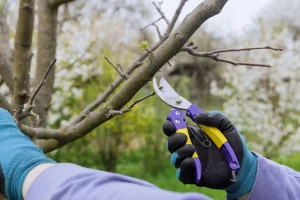
Using the proper tools is essential for pruning trees safely. Sharp, clean tools ensure smooth cuts that heal faster. Invest in quality tools such as:
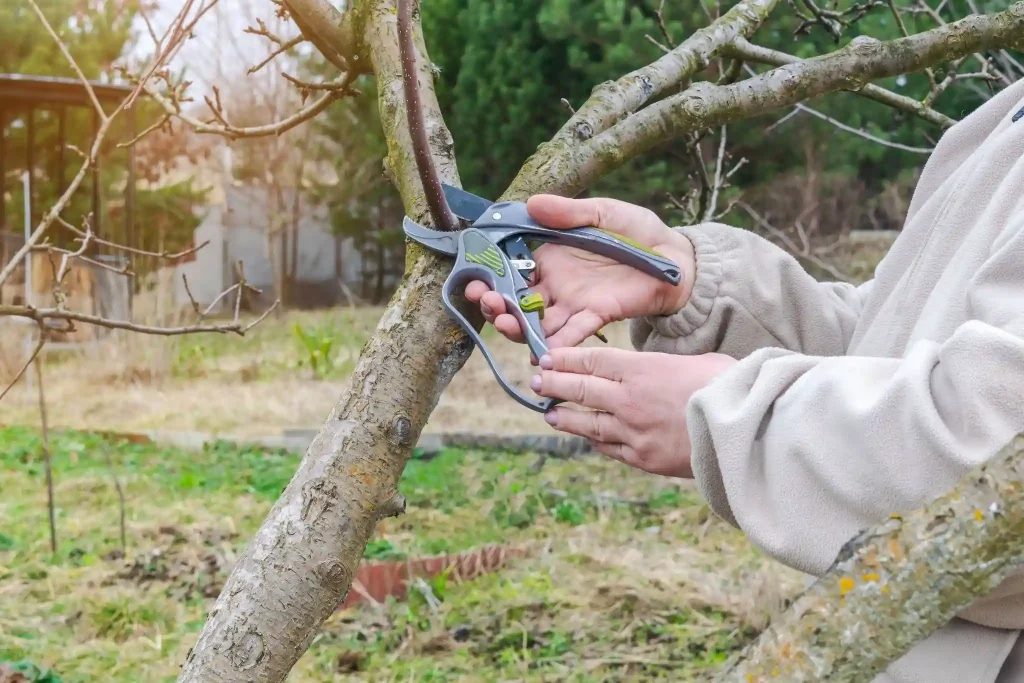
Pruning Shears: Ideal for small branches and delicate work.
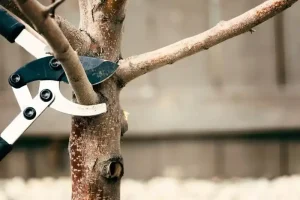
Loppers: Useful for larger branches that require more leverage.
Handsaws: Necessary for cutting thicker branches.
Always sanitize your tools before and after use to prevent the spread of diseases.
Make Proper Cuts
When pruning, making clean cuts is essential. Here are some techniques to ensure you prune trees safely:
Cut at the Right Angle: Always cut at a slight angle to allow water to run off. This helps prevent rot and disease.
Avoid Topping: Topping is the practice of cutting off the top of a tree, which can lead to weak growth and structural problems. Instead, focus on thinning and shaping the tree.
Leave Branch Collars: When removing branches, leave the branch collar intact. This is the swollen area where the branch meets the trunk. It contains cells that promote healing.
Prune in Stages
For larger branches, consider pruning in stages. Use the three-cut method to avoid tearing the bark, which can harm the tree:
Under Cut: Make a small cut underneath the branch about 12 inches from the trunk. This cut prevents the bark from tearing.
Top Cut: Make a cut on top of the branch, further out from the undercut. This cut will allow the branch to fall without damaging the tree.
Final Cut: Finally, remove the remaining stub by cutting just outside the branch collar.
Assess Tree Health Before Pruning
Before you prune trees safely, assess their overall health. Look for signs of disease or pests, such as:
Discolored leaves
Dead branches
Insect activity
If you notice any issues, it may be best to consult a professional arborist. They can help diagnose problems and determine the best course of action.
Challenges in Urban Tree Management
Urban environments present unique challenges for pruning trees safely. Limited space, poor soil quality, and environmental stressors can affect tree health.
Space Constraints
In urban areas, trees often grow in confined spaces. This can lead to competition for resources. Pruning may be necessary to alleviate overcrowding and ensure that each tree receives adequate light and nutrients.
Selectively Thin Crowded Trees: When trees are planted too closely, selectively thinning them can improve their health. Focus on removing branches that cross or rub against each other.
Consider the Surroundings: Be mindful of nearby structures and utilities when pruning. Safety should always come first.
Environmental Stressors
Urban trees face various environmental stressors, including pollution, soil compaction, and fluctuating temperatures. These factors can impact their growth and health.
Monitor Tree Conditions: Regularly check the health of urban trees. Look for signs of stress and address them promptly.
Provide Additional Care: Urban trees may require supplemental watering or fertilization to thrive in challenging conditions.
Community Involvement
Engaging the community in tree care can be beneficial. Educating residents about proper pruning techniques fosters a sense of responsibility and ownership.
Organize Workshops: Host community workshops on tree care and pruning. This can empower residents to take an active role in maintaining urban trees.
Create Volunteer Programs: Establish volunteer programs that allow community members to participate in tree planting and maintenance efforts.
Conclusion
Knowing when to prune trees safely is essential for their health and longevity. The best times to prune are during late winter to early spring and late summer to early fall. Understanding the unique needs of each tree species helps ensure successful pruning outcomes.
Equipping yourself with the right tools and techniques is vital for effective pruning. Always prioritize tree health and safety, especially in urban environments where challenges abound. By following these guidelines, you can promote healthy, thriving trees that enhance your community’s beauty and environment.
Pruning trees safely is more than just a seasonal task; it’s a commitment to maintaining the health and vitality of our urban forests. By taking the time to learn about proper practices, you can make a significant difference in the lives of these essential organisms. Whether you are a homeowner, a gardener, or an urban planner, your efforts in tree care will have lasting benefits for generations to come.