
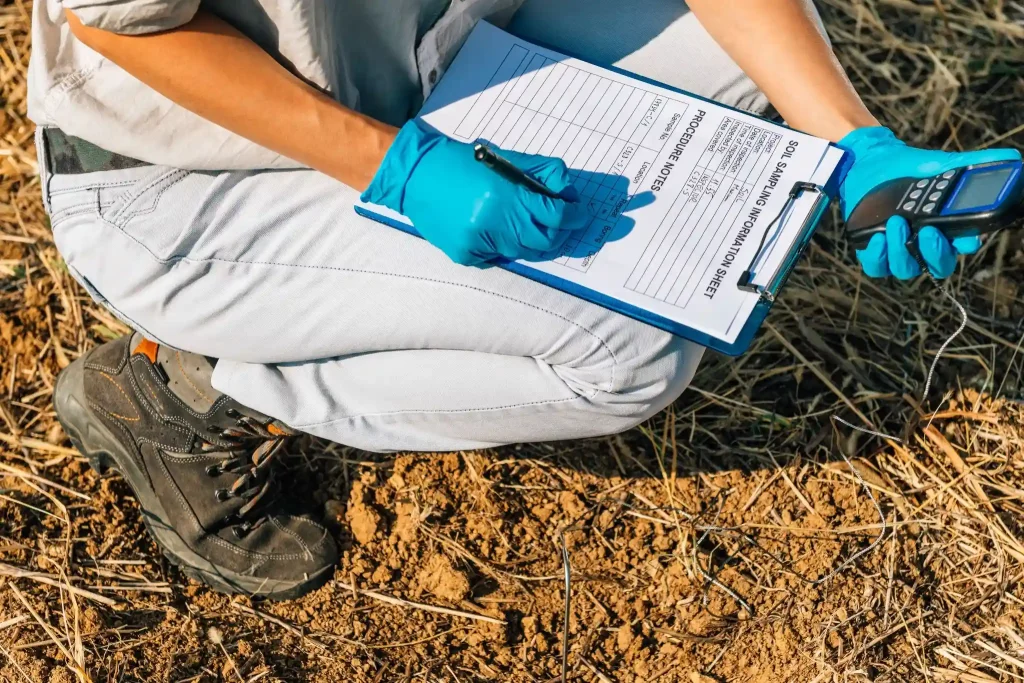
Land management practices are critical to maintaining the health of our planet. They encompass a variety of strategies aimed at conserving natural resources, enhancing ecosystem function, and promoting sustainable land use. As environmental challenges mount, the importance of effective land management has never been clearer.
In this blog, we will explore the various land management practices that are essential in environmental science. We will discuss their significance, methods, and real-world applications. By understanding these practices, we can better appreciate their role in fostering a sustainable future.
What Are Land Management Practices?
Land management practices refer to the techniques and strategies used to manage land resources effectively. These practices aim to optimize land use while ensuring environmental sustainability. They include activities related to agriculture, forestry, grazing, urban development, and conservation.
Effective land management practices help maintain soil health, improve water quality, and protect biodiversity. They also support climate change mitigation efforts by enhancing carbon storage in soils and vegetation.
Importance of Land Management Practices
The significance of land management practices can be seen in their ability to address pressing environmental issues. With rising populations and increasing demands for resources, the pressure on land is intense. Unsustainable land use can lead to soil degradation, deforestation, and loss of biodiversity.
By implementing effective land management practices, we can mitigate these impacts. These practices help ensure that land remains productive and resilient, supporting both human needs and ecological health.
Key Land Management Practices
Several key land management practices contribute to sustainable land use. Each of these practices plays a vital role in enhancing environmental quality and promoting sustainable development.
1. Sustainable Agriculture
Sustainable agriculture focuses on producing food in a way that maintains the health of ecosystems. This practice includes methods like crop rotation, organic farming, and integrated pest management. By minimizing chemical inputs and promoting biodiversity, sustainable agriculture enhances soil health and reduces environmental impact.
For example, crop rotation helps prevent soil nutrient depletion and reduces pest populations. This practice not only improves yields but also fosters resilience in farming systems. Sustainable agriculture is essential in ensuring food security while protecting natural resources.
2. Agroforestry
Agroforestry is the integration of trees and shrubs into agricultural landscapes. This practice offers numerous benefits, such as improved soil health, biodiversity conservation, and enhanced carbon sequestration. Trees provide shade, reduce erosion, and contribute organic matter to the soil.
In regions with harsh climates, agroforestry can help mitigate temperature extremes, making agriculture more viable. Additionally, agroforestry systems provide habitats for wildlife, promoting biodiversity. This practice exemplifies the synergy between agriculture and environmental conservation.
3. Conservation Tillage
Conservation tillage involves minimizing soil disturbance during planting and cultivation. By reducing tillage, farmers can improve soil structure, enhance moisture retention, and increase organic matter content. This practice also helps prevent erosion and promotes beneficial soil microorganisms.
For instance, no-till farming allows farmers to plant crops without plowing the soil. This method maintains soil integrity and promotes carbon sequestration. Conservation tillage is an effective land management practice that aligns agricultural productivity with environmental sustainability.
4. Integrated Water Management
Integrated water management focuses on the sustainable use of water resources. This approach considers the interconnectedness of land and water systems. Effective water management is vital for agriculture, urban development, and ecosystem health.
Techniques such as rainwater harvesting, drip irrigation, and watershed management are essential components of integrated water management. By optimizing water use, we can enhance crop productivity while safeguarding aquatic ecosystems. This practice is crucial for addressing water scarcity and ensuring sustainable land management.
5. Habitat Restoration
Habitat restoration involves rehabilitating degraded ecosystems to restore their functionality and biodiversity. This practice is essential for reversing the impacts of land degradation, pollution, and climate change. Restoration efforts can include reforestation, wetland restoration, and invasive species management.
For example, reforestation projects can help restore forests that have been lost due to logging or agriculture. These projects not only improve biodiversity but also enhance carbon storage and water quality. Habitat restoration is a vital land management practice that contributes to ecological resilience.
6. Land Use Planning
Land use planning involves the strategic allocation of land for various purposes, such as agriculture, urban development, and conservation. Effective planning helps balance competing demands for land, ensuring sustainable development.
Incorporating environmental considerations into land use planning is essential for mitigating negative impacts. This approach helps protect sensitive ecosystems, maintain biodiversity, and promote sustainable land management practices. Land use planning is fundamental for achieving long-term sustainability.
7. Grazing Management
Grazing management focuses on the sustainable use of rangelands for livestock production. This practice includes strategies such as rotational grazing, where livestock are moved between pastures to allow for recovery. Sustainable grazing practices help maintain healthy grasslands and prevent overgrazing.
Healthy grazing management can enhance soil health, improve biodiversity, and increase carbon storage. By optimizing grazing practices, ranchers can support both livestock production and ecological health.
Challenges in Implementing Land Management Practices
While land management practices offer numerous benefits, implementing them can be challenging. Various factors can hinder the adoption of sustainable practices, including economic constraints, lack of knowledge, and regulatory barriers.
Farmers and landowners may face financial pressures that prioritize short-term gains over long-term sustainability. Additionally, access to information and resources can influence the adoption of best practices. Overcoming these challenges requires collaboration among stakeholders, including governments, NGOs, and the private sector.
Real-World Examples of Successful Land Management Practices
Numerous examples around the globe illustrate the positive impact of effective land management practices. These case studies highlight how communities and organizations have successfully implemented sustainable strategies.
Case Study: The Sahel Region
In the Sahel region of Africa, community-based land management practices have transformed degraded landscapes. Here, local farmers have adopted agroforestry and soil conservation techniques to combat desertification. By integrating trees into their farming systems, they have improved soil fertility, increased crop yields, and enhanced resilience to climate change.
This community-driven approach has restored ecosystems and improved livelihoods, showcasing the power of sustainable land management practices.
Case Study: The Amazon Rainforest
In the Amazon rainforest, indigenous communities have long practiced sustainable land management. Their traditional knowledge of agroforestry, combined with modern conservation techniques, has helped protect biodiversity and restore degraded areas. By promoting sustainable harvesting practices, these communities maintain healthy ecosystems while supporting their livelihoods.
This example underscores the importance of integrating traditional knowledge with modern practices for effective land management.
The Future of Land Management Practices
The future of land management practices lies in innovation and collaboration. As environmental challenges intensify, we must adopt new technologies and approaches to enhance sustainability.
Emerging practices, such as precision agriculture and regenerative farming, hold promise for improving land management. These practices leverage technology to optimize resource use and enhance soil health.
Collaboration among stakeholders is also crucial. Governments, NGOs, and private entities must work together to promote sustainable land management practices. By sharing knowledge and resources, we can create resilient landscapes that support both people and the planet.
Conclusion
Land management practices are essential for fostering sustainability and protecting natural resources. By implementing effective strategies, we can enhance soil health, improve water quality, and promote biodiversity.
As we face increasing environmental challenges, adopting these practices is vital for ensuring a sustainable future. By understanding the importance of land management, we can work together to create resilient ecosystems that benefit generations to come.
FAQs
1. What are land management practices?
Land management practices include strategies to optimize land use while ensuring environmental sustainability. These practices encompass agriculture, forestry, grazing, and conservation techniques to promote ecological health.
2. Why are land management practices important?
These practices are crucial for maintaining soil health, improving water quality, and conserving biodiversity. They help mitigate environmental challenges and ensure sustainable land use for future generations.
3. How does sustainable agriculture contribute to land management?
Sustainable agriculture focuses on practices that maintain ecosystem health. Techniques like crop rotation and organic farming enhance soil fertility and reduce environmental impact, supporting sustainable land management.
4. What role does water management play in land management practices?
Integrated water management optimizes water use for agriculture and ecosystems. Techniques such as rainwater harvesting and efficient irrigation contribute to sustainable land management and enhance agricultural productivity.
5. How can communities implement effective land management practices?
Communities can adopt land management practices through education, collaboration, and access to resources. Engaging local stakeholders and integrating traditional knowledge with modern techniques can foster sustainable land use.